





Racist abuse in football has once again cast a dark shadow over the Premier League, as two more players have been targeted on social media following weekend fixtures.
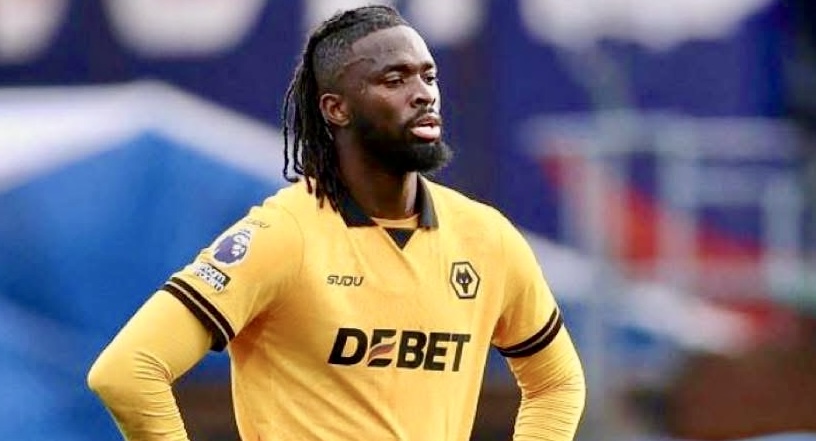
Wolves striker Tolu Arokodare and Sunderland winger Romaine Mundle are the latest victims in a deeply troubling pattern of online discrimination. Their experiences came just one day after Burnley midfielder Hannibal Mejbri and Chelsea defender Wesley Fofana were subjected to racist abuse on Instagram after their sides played out a 1-1 draw at Stamford Bridge.
Wolves Condemn “Abhorrent” Abuse
Arokodare was targeted following Wolves’ 1-0 defeat to Crystal Palace. The 25-year-old Nigerian international endured a difficult afternoon, seeing a first-half penalty saved before conceding a late winner scored by Evann Guessand in injury time.
After the match, Arokodare shared screenshots of the racist messages he received, exposing the disturbing language sent from multiple anonymous accounts.
“It’s still unbelievable to me that we’re playing in a time where people have so much freedom to communicate such racism without any consequences,” he wrote on Instagram. “These individuals should have no place in our game and collectively we have to take action to punish everyone who taints the sport like this, no matter who they are.”
Wolves issued a strongly worded statement expressing disgust at the abuse. The club said it condemned the “abhorrent and unlawful behaviour in the strongest possible terms” and affirmed that Arokodare has their “full and unwavering support.”
“No player should be subjected to such hatred simply for doing their job,” the statement read. “We stand firmly alongside him, and alongside all footballers who are forced to endure this abuse from anonymous accounts acting with apparent impunity.”
Sunderland “Appalled” by Vile Messages
Meanwhile, Sunderland winger Romaine Mundle was subjected to racist abuse after coming off the bench in his side’s 3-1 home defeat to Fulham.
Sunderland described themselves as “appalled by the vile” abuse aimed at the 22-year-old forward. The club condemned the behaviour as unacceptable and made it clear that those responsible do not represent the club’s values or community.
“These individuals do not represent Sunderland AFC, our values, or our community — and they are not welcome on Wearside,” the club stated.
According to the Sunderland Echo, Mundle has since deleted his Instagram account in response to the abuse. Disturbingly, this is not the first time he has faced discrimination online. In February 2025, while playing in the Championship for the Black Cats, he publicly shared another discriminatory message sent to him via Instagram.
A Growing Crisis in the Game
Both Wolves and Sunderland confirmed they are working with relevant authorities and social media platforms to identify those responsible.
The Premier League also issued a statement condemning the abuse and warning of “serious consequences for anybody found guilty of discrimination.” Sanctions could include club bans and legal prosecution, with the league pledging full support to ongoing investigations.
Despite repeated campaigns and promises of tougher action, incidents like these highlight the persistent problem of racism in football — particularly in the digital space, where anonymity often emboldens perpetrators.
For players like Arokodare and Mundle, the abuse is a stark reminder that the fight against discrimination is far from over. For the sport as a whole, it underscores an urgent need for stronger enforcement, accountability, and collective action to ensure football truly becomes a game for all.
